A CAUSE TO CELEBRATE AND
A CALL TO ACTION
On September 22, 2025, Annalena Baerbock, the fifth woman to hold the position of president of the UN General Assembly, delivered the keynote address at the UN’s celebration of the 30th anniversary of the Beijing Conference, formally known as the Fourth World Conference on Women.
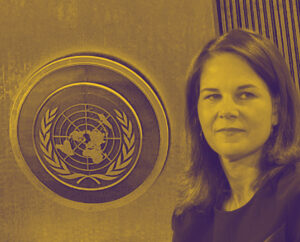
President Baerbock praised the courage of those who fought tirelessly, before and during the Beijing Conference, for every phrase and every word in the Beijing Declaration and Platform for Action, which was the pivotal international framework document that resulted from women’s efforts, and advocated for gender equality and the empowerment of all women and girls.
There is much to celebrate. The opening paragraphs of the Beijing Declaration state that the governments participating in the Fourth World Conference on Women in Beijing are determined to advance the goals of equality, development and peace for all women everywhere in the interest of all humanity.
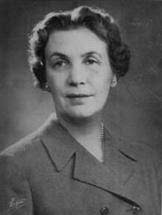
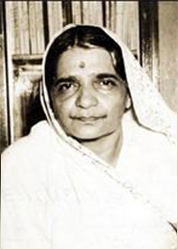
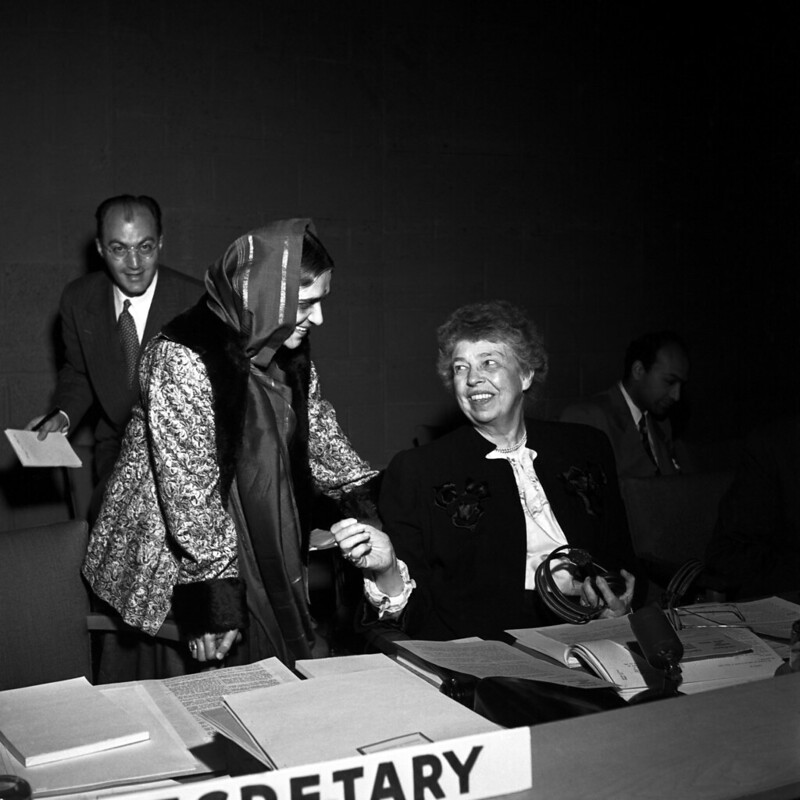
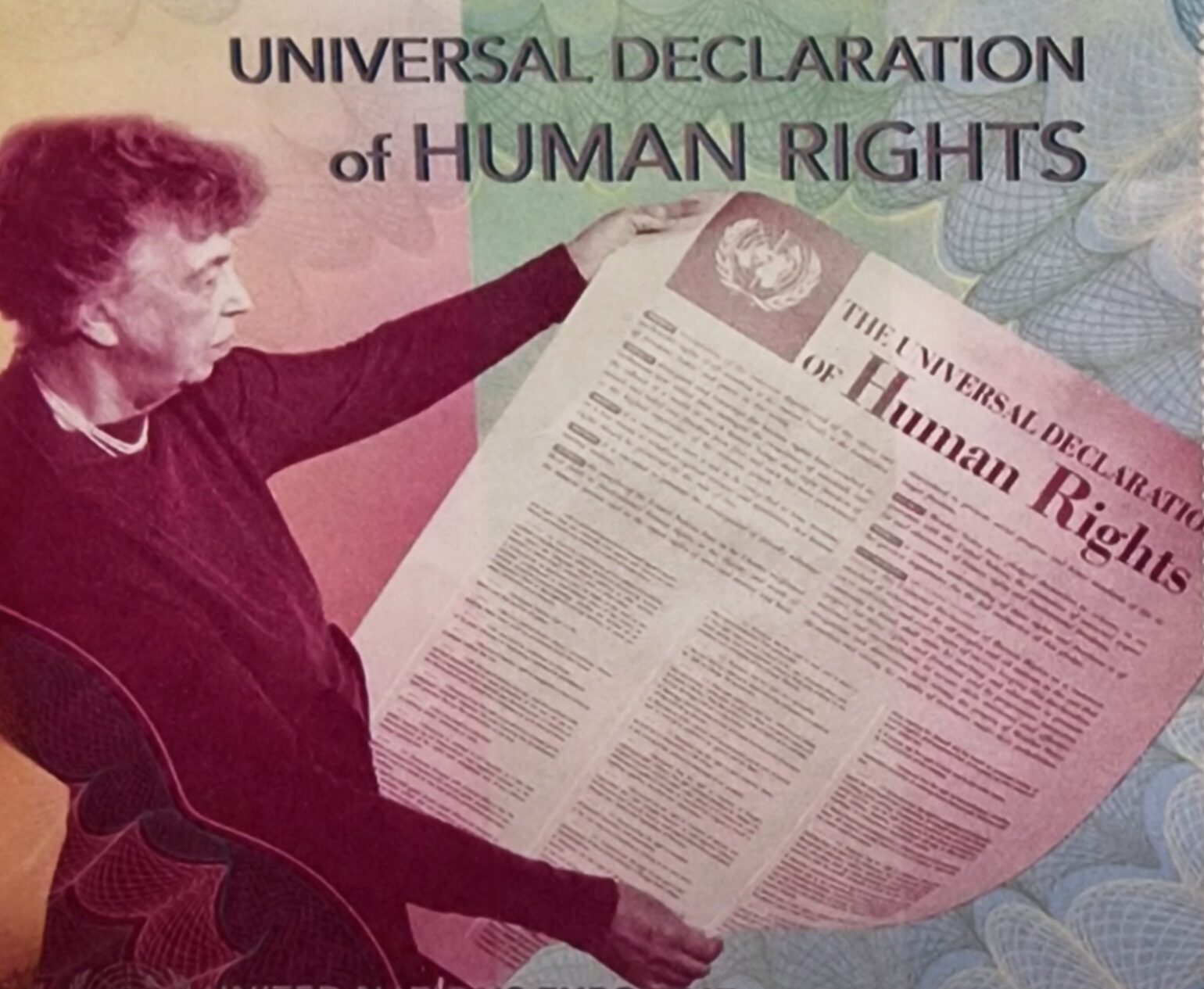
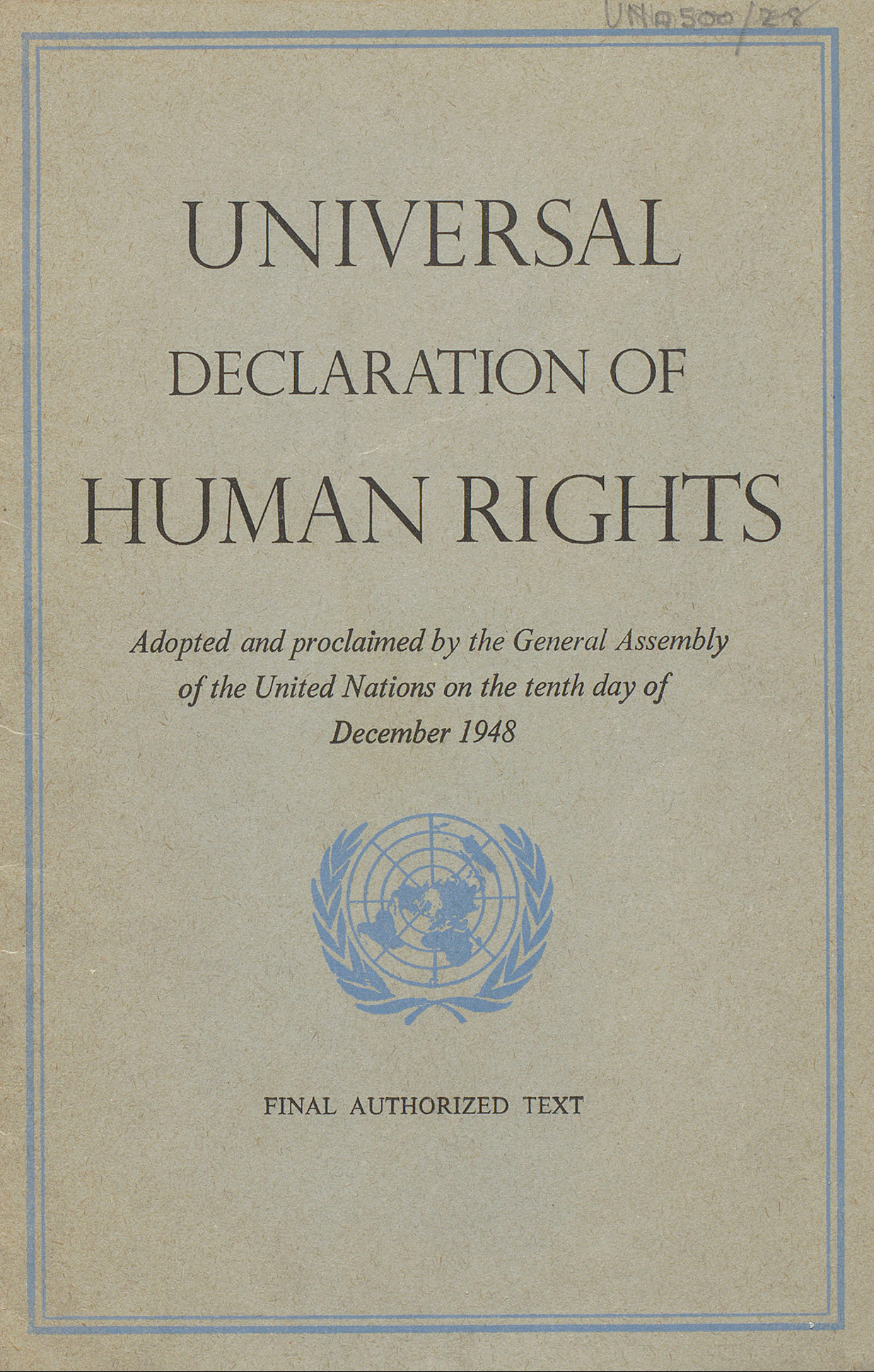
The Beijing Declaration was not the first time women wordsmiths resolved to secure non-discriminatory gendered language in UN documents. The Universal Declaration on Human Rights (UDHR), adopted at the United Nations on December 10,1948, is one example of women’s resolve. The final text states that the peoples of the United Nations are determined to reaffirm faith in fundamental human rights, in the dignity and worth of the human person, in the equal rights of men and women. Behind the scenes Delegate Hansa Mehta (India), and Bodil Begtrup (Denmark), Chairman of the UN Commission on the Status of Women, fought for language in the final document that replaced the draft’s wording that all MEN must be free and equal in dignity and rights. Ms. Mehta and Ms. Begtrup challenged Eleanor Roosevelt, in her role as Chairman of the UN Commission on Human Rights, to remove the discriminatory language from the draft, stand up for language that reflected the title of the document – the Universal Declaration of HUMAN rights, and forever squelch the undercurrent of debate by many delegates that women were simply fretting over language for which they ought not to have concern. (Is it ironic or an oversight that these powerful women held the title of ChairMAN of their respective Commissions?)
Mrs. Roosevelt received a standing ovation in the UN when the Member States adopted the UDHR. Her remarks remind us that vigilance must not cease in the pursuit of fair, unbiased and inclusive language in all documents and statements by those people who hold positions of great authority and respect. I believe Mrs. Roosevelt’s remarks should have been challenged as an inaccurate account of the body of work by the Human Rights Commission. She stated: We stand today at the threshold of a great event both in the life of the United Nations and in the life of mankind. This declaration may well become the international Magna Carta for all men everywhere.
The UN calls on all, including civil society, to ACT to resolve infractions to fundamental human rights. We can do more than praise our predecessors for their courage. We can follow their example. It is time for NGOs to have a seat at the drafting table where legislation is being written, to chip away at the existing rules and regulations that overlook human rights in favor of masculine pronouns, and take the lead in writing opinion pieces in news outlets and online that raise awareness of the ubiquitous use of terms such as mankind and the brotherhood of man.
In his heyday, Elvis Presley sang that this is the time for a little less conversation, a little more action, please. We can start by taking inspiration from the work of a Virginia (USA) based campaign called the Virginia Law Audit Project.
Even though I have taken this song lyric out of context, I am mindful that those of you engaging in wordsmithing at the local level have already taken actions and have lots to share with our membership.
Please reply to this article and share your knowledge.

.jpg)
2 responses
Decades of Feminism have not been able to eradicate the idea that Man is the measure of all things. Even my alma mater, which was founded for women and is named for a woman has abandoned references of alumna and alumnae in favor of the masculine form under the impression that it is “gender neutral”. Some states in Europe, which had enshrined gender neutral language in their laws, have faced backlash and references to the female in documents are being radically eliminated because it is too clumsy [sic], where as the usual male designations are so accustomed that one does not even notice them.
The Women Who Shaped the Universal Declaration of Human Rigths, a short video published by United Nations on YouTube: https://youtu.be/p7tSwJ5U9rc